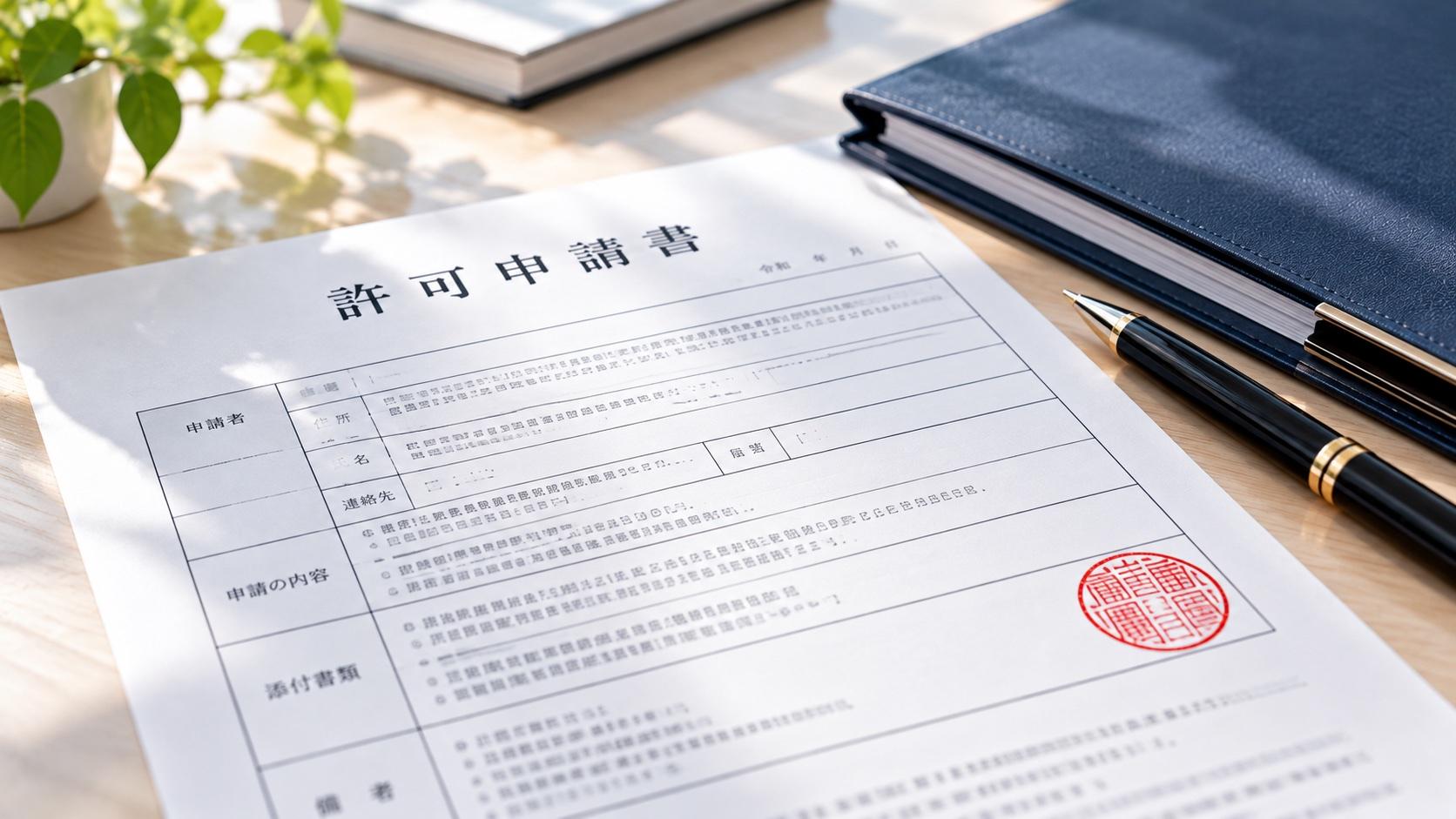
Before you build, market or sell in Japan, understand what you are entering. Market opportunity, buyer behaviour, competition, regulation and your current position — brought together before you commit resources. Every engagement with JIN starts here.
The right decisions start with the right information.
What works elsewhere often doesn't apply here — and most failures in Japan come from a skipped step, not a bad product.
Avoid the knowable risks
Claims, licences and customs — known before the first page goes live.
Size the real opportunity
Demand measured from public data, sources cited — not a hunch.
Decide on evidence
“Not yet” is an allowed answer — and the cheapest one to hear early.
Build in the right order
The report decides the form of everything after it — site, channels, set-up.
Real risks
What you don't know can become the most expensive part of entering Japan.
Three foreign companies, all on the public record — a fine, a withdrawal and a criminal case.
01
Surcharge · March 2024
¥1.23bn
One catalogue sentence called a paid extra “standard equipment”.
Missed: what the law governs
Read the case→
A foreign carmaker's Japanese arm described a feature that cost extra as “standard equipment” in its Japanese catalogue. Not a defect — a sentence. It became the largest surcharge ever issued under the Act against Unjustifiable Premiums and Misleading Representations.
Source: Consumer Affairs Agency, surcharge payment order
02
Sales, in a single month
−14%
New Year osechi arrived nothing like the photo. The backlash was national.
Missed: what a tradition means
Read the case→
Groupon entered Japan in 2010. In January 2011 its osechi — the New Year meal families treat as close to sacred — arrived nothing like the photograph. The backlash was national and immediate. Sales fell 14% in one month, and the company left Japan entirely in 2020.
Source: Japan Times / TechCrunch, January 2011
03
January 2024
Arrests
Medicines sold into Japan as “personal import” — without the licence.
Missed: a licence was required
Read the case→
A Singapore company sold medicines to customers in Japan, presenting it as personal importation. Selling pharmaceuticals here requires a marketing authorisation licence. Its directors were arrested under the Pharmaceutical and Medical Device Act — a criminal matter, not a fine.
Source: 薬機法違反事例(薬事法マーケティング)
The point isn't that Japan is too risky to enter. It's that the risks are knowable before you enter.
What you need to know
Five questions we answer first.
The five things a Japan decision rests on — each answered in the Market Entry Report.
01
Market opportunity
Is there real demand — and what does it pay?
Report ch. 01 · 05
02
Buyers & decisions
Who decides, and how does the decision travel?
Report ch. 02 – 03
03
Competition
Who already holds the space here?
Report ch. 04
04
Rules & requirements
What can you sell, say and collect?
Report ch. 06 – 09
05
Your position
What's missing — and which route fits you?
Report ch. 10 – 17
Not five separate reports. One view of whether — and how — you should move forward.
How it starts
A quick answer first. Then the report every engagement starts with.
The check is optional. The report is not — all our work is planned from it.
Step 01Free · optional
Japan Readiness Check
15 questions across five areas, scored out of 30. About three minutes, no email required.
A researched assessment of your company, category and situation — 4 parts, 17 chapters. Nothing is built before it, and the $500 comes off your first invoice when you go ahead.
1ApplySeven questions, about two minutes. Nothing to pay today.Free
2Intake interviewThe hearing sheet follows by email.Free
3$500 invoicedOnly after the hearing — deducted from your first invoice if you work with us.
4We research and writeWork starts once the invoice is paid.
Can we skip the report and go straight to a website, or ads?
No — every engagement starts with the report. What to build, in what form and in what order depends on what it finds, and we won't quote work we haven't diagnosed. If you go ahead, the fee comes off your first invoice, so for companies that work with us it adds nothing to the total.
Do we need to be committed to entering Japan?
No. The readiness check is free and asks for nothing. The report is paid precisely so that its verdict is allowed to be “don't enter”, “not yet”, or “do these two things yourself”. We also turn projects down when we expect them to fail — understanding comes before any commitment, on both sides.
Can we use the research without hiring JIN afterwards?
Yes. The report is written in English, built to be circulated internally, and stays yours permanently — usable with us, with another vendor, or entirely in-house. Nothing in it depends on working with us.